
Woodworms might seem like a minor issue, but these destructive pests can do significant damage to the wooden structures in your home. From flooring to beams and furniture, woodworms silently weaken the foundation of your property, leading to costly repairs if left unchecked. In this article, we’ll explain what woodworms are, how to spot an infestation, and how to treat and prevent it. For professional pest control help, visit Woodworms for expert solutions.
What Are Woodworms?
Woodworms are the larvae of wood-boring beetles that feed on wood, slowly deteriorating the structure of your furniture and home. The adult beetles lay their eggs in cracks and crevices of wooden surfaces, and once the larvae hatch, they burrow into the wood to consume it. This feeding process weakens the wood, causing it to become soft and brittle over time.
Though often associated with older homes, woodworms can also infest newer buildings if the wood is untreated or exposed to damp conditions. The insects thrive in moist environments, and once they find a suitable host, they begin their destructive work.
Common Signs of Woodworm Damage
Woodworms can go unnoticed for quite a while due to the hidden nature of their damage. However, here are a few signs that can help you identify an infestation early:
-
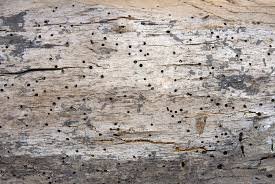
Small Exit Holes: These round holes, typically 1-2mm in diameter, are left behind by adult beetles as they emerge from the wood. If you notice several holes in wooden surfaces, you likely have a woodworm infestation.
-
Powdery Dust (Frass): As the larvae burrow through the wood, they produce fine, powdery dust called frass. You may find this dust around the exit holes or on the ground near affected areas.
-
Weak Wood: Wood affected by woodworms will feel soft and crumbly. If the wood breaks or crumbles easily, this is a clear indication that it has been weakened by the larvae.
-
Adult Beetles: During warmer months, you may see adult beetles flying around wooden furniture or beams. These beetles are typically dark brown or black and are the result of an active woodworm infestation.
Why Woodworms Shouldn’t Be Ignored
Though woodworms may seem small, the damage they cause can be substantial. The larvae feed inside the wood, creating tunnels that compromise the wood’s structural integrity. Over time, this leads to weakened floors, beams, and furniture. If left untreated, these infestations can spread, resulting in large sections of wood needing replacement.
The damage caused by woodworms is not always obvious, as it often occurs beneath the surface. By the time you notice the effects, the infestation may already be extensive, making it essential to address the problem as soon as possible.
How to Prevent Woodworm Infestations
The best way to deal with woodworms is to prevent them from entering your home in the first place. Here are some prevention tips:
-
Keep Moisture Under Control: Woodworms are attracted to damp, moist environments. Ensure that areas like basements, attics, and crawl spaces are well-ventilated and dry. Use dehumidifiers in areas with high humidity levels.
-
Treat Wood Properly: If you’re installing new wood or replacing old furniture, treat it with a wood preservative to protect it from woodworm infestations.
-
Inspect Regularly: Conduct regular inspections of your home’s wooden structures. Early detection is key to stopping an infestation before it spreads.
How to Treat Woodworms
If you’ve found a woodworm infestation, acting quickly is essential. Here are some treatment options:
-
Chemical Insecticides: These are the most commonly used method for treating woodworms. The insecticides penetrate the wood, killing the larvae and preventing adult beetles from emerging. You can apply them directly to the affected areas using a brush or spray.
-
Fumigation: For more extensive infestations, fumigation may be required. This involves sealing off the infested area and releasing a gas that kills both the larvae and adult beetles.
-
Boric Acid: A safer alternative to chemical treatments, boric acid can be applied to the wood to kill the larvae. It is less toxic and works effectively for woodworm control.
-
Professional Pest Control: If the infestation is large or difficult to manage on your own, it’s a good idea to consult a professional pest control service. These experts can assess the situation and use the most effective methods to eradicate the infestation.
Repairing the Damage Caused by Woodworms
After you’ve dealt with the infestation, repairing the damage is the next step. Minor infestations can often be repaired by filling the exit holes with wood filler or epoxy. However, if the damage is severe, replacing the affected wood may be necessary. This is especially important for structural wood, such as beams and floorboards, which are vital for the stability of your home.
For extensive damage, it’s best to consult a professional contractor who can assess the situation and ensure that repairs are done correctly and safely.
Conclusion
Woodworms may seem like a small nuisance, but if left untreated, they can cause significant damage to your home. Early detection and prevention are crucial in stopping infestations before they spread. Regular inspections, controlling moisture levels, and treating wood are effective ways to protect your home from woodworms. For more information and expert pest control solutions for woodworms.