
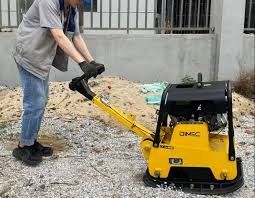

Hiring a plate compactor can be a cost-effective solution for your construction or landscaping projects. However, making the right choice is crucial to ensure efficiency and safety. Here are nine smart tips to consider before you hire a plate compactor.
1. Assess Your Project Requirements
Before hiring a plate compactor, clearly define your project requirements. Consider the type of material you’ll be compacting—soil, hire plate compactor, gravel, asphalt, or concrete—as well as the size of the area. Different types of plate compactors are designed for specific applications. For instance, a reversible plate compactor is ideal for tight spaces, while a single direction unit is better for larger areas.
2. Understand the Types of Plate Compactors
Familiarizing yourself with the different types of plate compactors available can help you make an informed decision:
- Reversible Plate Compactors: These allow for forward and backward movement, making them versatile for various applications, especially in confined spaces.
- Single Direction Plate Compactors: Designed for one-way operation, these are typically used for larger, open areas.
- Vibratory Plate Compactors: These use vibration to achieve effective compaction and are suitable for a variety of materials.
By understanding the available options, you can choose the most suitable model for your needs.
3. Consider the Size and Weight
The size and weight of the plate compactor have a direct impact on its performance and maneuverability. Heavier models provide more compaction force, making them effective for dense materials. However, if you’re working in a confined space or need to transport the compactor frequently, a lighter model may be more appropriate.
- Weight Range: Most compactors weigh between 100 to 400 pounds. Lighter units (under 200 pounds) are easier to handle, while heavier models offer greater compaction.
4. Check Engine Power and Performance
The engine power of the plate compactor influences how well it performs. Higher horsepower means better performance, especially for heavy-duty tasks. When hiring, inquire about the engine specifications, including:
- Horsepower Rating: This indicates the power available for compaction. A higher rating generally means better efficiency.
- Fuel Type: Most compactors run on gasoline or diesel. Consider which fuel type you prefer, as it can affect operating costs and availability.
5. Evaluate the Rental Terms and Conditions
Before finalizing your hire, carefully review the rental terms and conditions. Pay attention to:
- Rental Duration: Understand the minimum rental period and any associated fees for extending the rental.
- Delivery and Pickup: Check if delivery and pickup services are included in the rental price or if there are additional charges.
- Maintenance and Repairs: Inquire about what happens if the equipment malfunctions during your rental period. Knowing your responsibilities can save you from unexpected costs.
6. Ask About Safety Features
Safety should always be a priority when using heavy machinery. Before hiring a plate compactor, inquire about its safety features:
- Vibration Dampening: This feature reduces vibrations transmitted to the operator, making the machine more comfortable to use.
- Emergency Shutoff: A quick shutdown feature can enhance safety during operation.
- Guarding: Ensure that all moving parts are adequately guarded to prevent accidents.
7. Request Recommendations and Reviews
Before making a final decision, seek recommendations from colleagues or friends who have experience hiring plate compactors. Additionally, check online reviews and ratings for the rental company. Reliable feedback can provide insights into the quality of service and the condition of the equipment.
8. Inspect the Equipment Before Hiring
If possible, inspect the plate compactor before finalizing your hire. Look for signs of wear and tear, such as:
- Damaged Components: Check for any visible damage to the frame, handle, or base plate.
- Condition of the Engine: Ensure that the engine runs smoothly and is free of leaks.
- Blade Condition: Inspect the cutting edges for wear. Worn blades can affect the efficiency of compaction.
9. Understand the Cost Implications
Finally, consider the total cost of hiring a plate compactor. While rental prices may vary, it’s essential to factor in additional costs such as delivery fees, fuel, and potential maintenance charges. Get a detailed quote from the rental company to avoid any surprises later.
Conclusion
Hiring a plate compactor can be a smart choice for achieving effective compaction in your projects. By following these nine tips, you can ensure that you select the right equipment for your needs, prioritize safety, and make informed decisions that will lead to successful outcomes. Take the time to assess your requirements and choose wisely to get the best value from your hire.